How to Increase Participation at Your Union’s General Meeting
Agenda not communicated in advance, notices that get lost, members who don’t see the point of coming: here is what holds back participation at your union’s general assembly and how to address it.
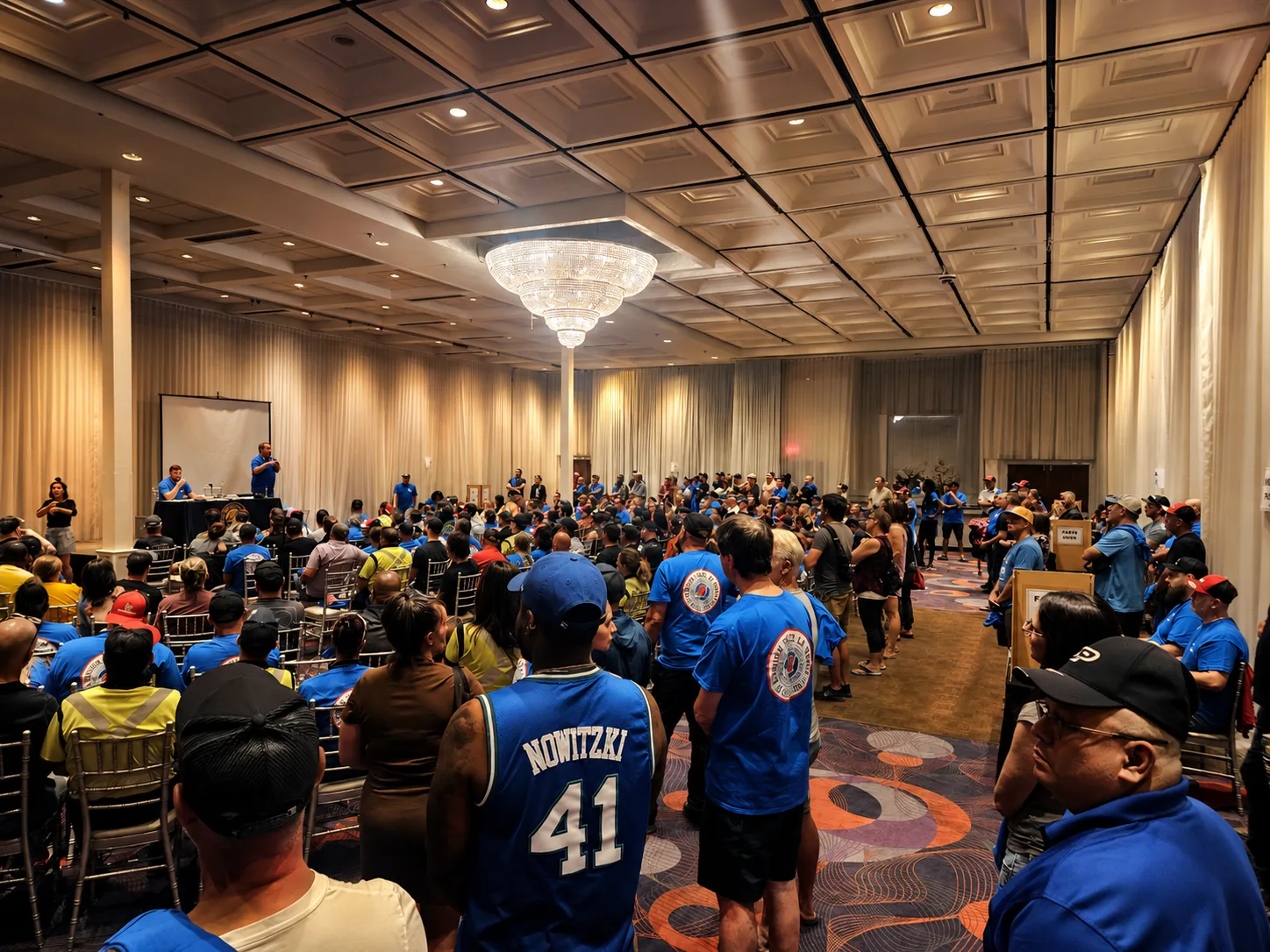
What Is Really Happening When Your Room Is Half Empty
In almost every union, it is the same observation after a general assembly: your executive did what it needed to, the room was ready, the agenda was set. And participation was disappointing.
What you often hear to explain this: your members are disengaged, the generation has changed, people do not have time anymore. What we observe on the ground is simpler. In the large majority of cases, your members who were not there had not received the information early enough, did not know what was going to be decided, or had no concrete reason to believe their presence would make a difference.
4 real reasons behind low attendance at your union assemblies
Your Notice Arrives Too Late or in the Wrong Place
A member who receives your notice two days before the assembly, in an email they do not check regularly, often cannot free up their evening. Your notice needs to arrive early enough for your members to organize, and through a channel they actually check, not the one you hope they check.
Your Agenda Is Not Shared in Advance
When your members do not know what will be discussed, they cannot assess whether their presence makes a difference. “General assembly” without context says it is mandatory. It does not say why it is worth their evening.
An agenda shared in advance, even briefly, gives your members a concrete reason to come. “We are voting on the ratification of the mobilization action plan” is a sentence that moves people. “Regular general assembly” is not.
Your Important Decisions Are Not Highlighted
If your members feel that your general assemblies mostly involve hearing reports without making decisions that affect them directly, they will gradually stop showing up. Participation increases when your members know there is something to vote on, to decide, to approve, and that their presence counts in that outcome.
You Are Not Sending Enough Reminders
One communication, even a good one, is not enough. Your members have full schedules. A reminder a week out. Another 48 hours before. A last one on the morning of your important assemblies. Each reminder can be short. The goal is for your members to have several chances to block their evening before it arrives.
In Fortisia, this reminder sequence is set up once when you create the event, not for each individual assembly.
Book a demoWhat Actually Works for Your Union
Frame Your Assembly as an Event With Stakes
Your notice is the first impression your members have of the assembly. A message that says what will be voted on, what will be announced, what your members will be able to influence creates an incentive. A message that only lists the time and location does not.
Choose the Right Channel, Not the Familiar One
If your union emails are not being read, sending your notice by email does not solve anything. The channel needs to be the one your members actually check, with a direct notification on their phone. In unions that have moved to a mobile app, assembly participation increases in the first few cycles, simply because the information gets through.
Involve Your Delegates in the Mobilization
An executive that carries the full responsibility for convening and mobilizing on its own burns out. Your delegates and section leads are natural relays. Giving them an explicit role in distributing your notice, even a simple message in their subgroup, multiplies your reach without multiplying the workload.
Follow Up After Your Assembly
Your members who were not there need to know what they missed. A summary of decisions made, sent within 24 hours, shows that your assembly produced something concrete. It creates an incentive for next time. And it tells your absent members that their present colleagues advanced files that concern them.
Participation as an Indicator of Your Relationship With Your Members
Low participation at your general assembly is not primarily a democratic issue. It is an indicator of the quality of the relationship between your executive and your members. When your members come, it is because they trust it is worth their time. That trust is built with clear communications, agendas that make sense, and decisions that genuinely reflect what matters to them.
How we help
No more assemblies organized at the last minute with a half-empty room.
Fortisia lets you create the event, target the right groups, send reminders, and track attendance in a single mobile app.
Your members get direct access to:
- Your notice with agenda directly on their phone
- Your automated reminders 7 days, 2 days, and the day of
- Attendance confirmation in one tap
- The summary of your decisions after the assembly
Result: higher participation, lighter organization, complete traceability.
Frequently Asked Questions
What is the normal participation rate at your union’s general assembly?
There is no universal standard: participation varies depending on your union’s size, your sector, the time of year, and what is on the agenda. What is consistent: your participation is always higher when your members were informed well in advance and know that important decisions will be made.
How many reminders should you send before your assembly?
At minimum two: one a week before and one the day before. For your important assemblies, a third reminder on the morning of the event is justified. Each reminder can be short. The goal is for your members to have multiple opportunities to block their evening before it arrives. Fortisia automates these reminders from your event, without your executive having to remember.
Should you share your agenda in advance?
Yes, even briefly. Members who know what will be discussed can assess whether their presence is essential. An agenda shared in advance, even with just a few bullet points, increases participation and reduces surprises during the meeting.
How can you increase participation among your younger members?
Your younger members respond better to mobile communications and direct notifications than to email. Sharing your meeting notice via an app instead of email, clearly stating what will be decided, and giving younger members a role in the meeting all contribute to increasing their attendance rate.
What should you do after your meeting to maintain member engagement?
Send a summary of decisions made within 24 hours. This informs absent members, demonstrates that your meeting produced concrete results, and creates an incentive for them to participate next time. With Fortisia, this summary can be sent directly from the app as a push notification.