How to Unionize in Quebec
Unionizing is a right protected by law in Quebec. A complete guide: the steps, which union to choose, and what happens after certification.

What the law guarantees employees
Every employee in Quebec has the right to belong to a union. An employer cannot stop you, threaten you, or intimidate you for this reason. If someone is fired or punished for trying to unionize, they can file a complaint and have the decision overturned.
This right has a real effect on wages. In Quebec, unionized women earn an average of $27.39/hour, compared to $21.17/hour for non-unionized women. The gap also shows up in benefits, protection against dismissal without just and sufficient cause, and collective bargaining power with the employer.
The steps to unionize
The process is regulated, but it isn't complicated. Here's how it plays out, from first contact to official certification.
First contact
It starts with reaching out to a union already active in your sector, or to a union organizer. This is the moment to discuss workplace issues, ask questions about the process, and see whether coworkers share the same concerns. This step is confidential: nothing is shared with the employer.
Membership cards
If there's interest, the next step is getting membership cards signed by employees in the group. Support from more than half of the employees involved leads to automatic certification, without a vote. Each signature stays confidential: the employer has no access to this information.
Filing the application
The union then files an official application with the Administrative Labour Tribunal (Tribunal administratif du travail, TAT), the body that handles these requests. From that point on, the employer can no longer change working conditions without the union's written consent, which protects employees throughout the process.
The vote, if needed
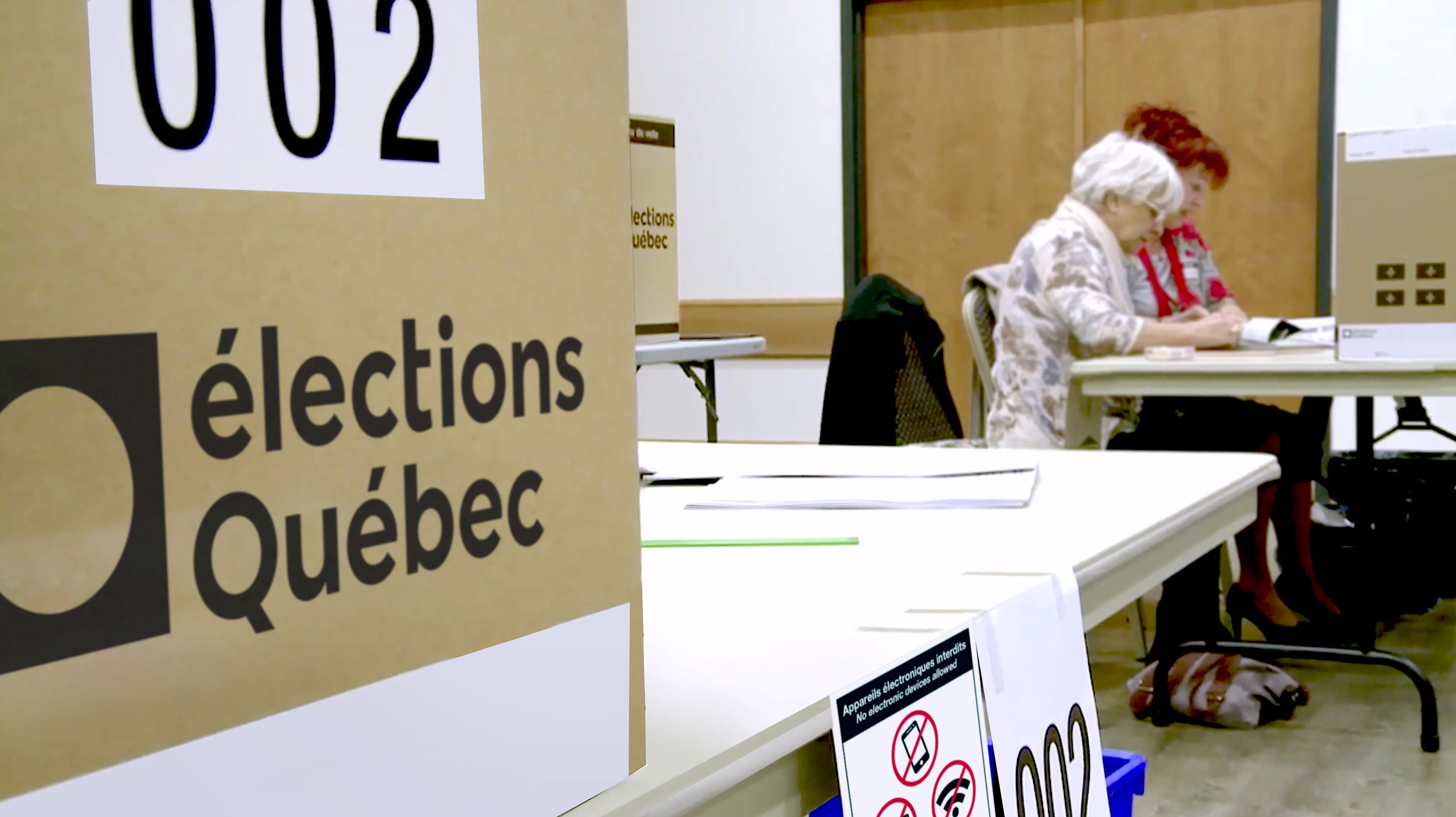
If support falls between 35% and 50% of the employees involved, the application can still be filed, but a vote will be held to confirm certification. The vote takes place under the TAT's supervision.
Certification confirmed
Once the application is accepted, whether through signed cards or a vote, the union becomes the sole legal representative of the employees involved. It can then begin negotiations with the employer.
Once your union is certified, everything is still to be built: communications, meetings, member records. Fortisia centralizes all of it from day one.
Which union to choose in Quebec
Several major union federations are active in Quebec, each stronger in certain sectors.
FTQ
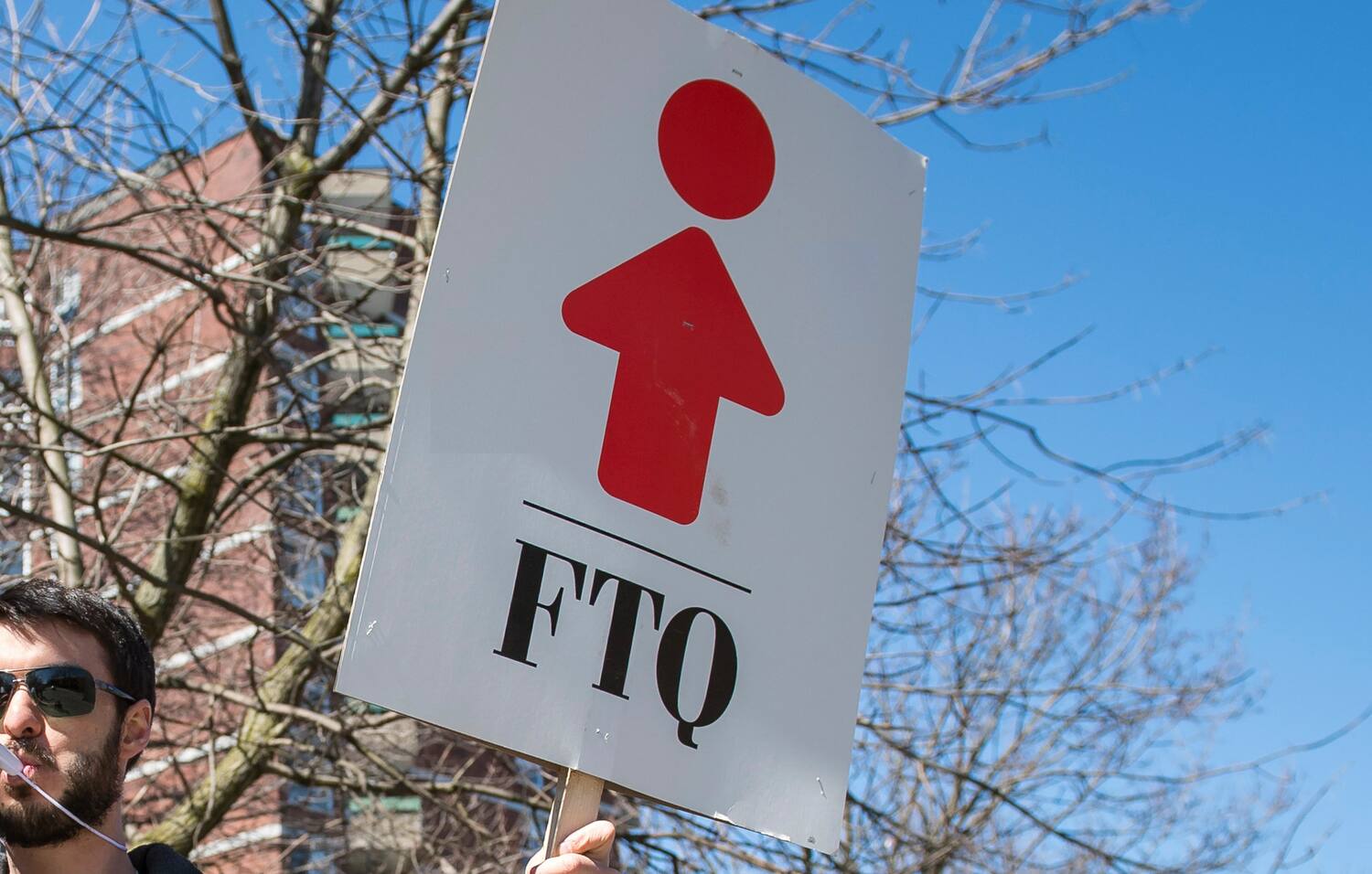
The Fédération des travailleurs et travailleuses du Québec has about 600,000 members, concentrated in industry, transportation, and construction.
CSN
The Confédération des syndicats nationaux has about 330,000 members, with a strong presence in health care and education.
CSQ
The Centrale des syndicats du Québec has about 200,000 members, mostly in education and early childhood services.
CSD and independent unions
The Centrale des syndicats démocratiques is more present in manufacturing and services. Independent unions specific to certain workplaces also exist.
The right choice mostly depends on your sector and which federation is already active at similar employers.
Your membership stays confidential
The employer has no right to know who signed a membership card, or when. This is set out in the law, specifically so no one has to fear retaliation. This confidentiality also applies during the filing of the application and the vote, if there is one.
After certification: negotiation
What actually changes
Once certified, the union begins negotiating a first collective agreement with the employer. This negotiation can take several months. During this time, the union has to organize its communications with members, call meetings, and keep everyone informed as talks progress.
The day-one communications challenge
This is often when the real practical challenges start. A newly formed union starts from scratch: no centralized list, no tool to reach new members, everything to build at the same time as the negotiation itself. Our article Why Union Communications Aren't Getting Read goes deeper into this problem.
Once your union is certified
If your organizing effort succeeds, a new reality begins: organizing communications with your members, from the first few weeks.
Fortisia centralizes all of it in one mobile app.
Your members get, directly:
- Negotiation updates
- Meeting notices
- Your union's official documents
- Important communications, targeted by group
Result: your executive spends less time managing five different channels, and your members stay informed from day one.
A newly formed union often starts from zero on communications, with no centralized list and no tool to reach new members. If you're part of a union executive, new or already established, and this sounds familiar, we can show you in 30 minutes how Fortisia changes that.
Frequently asked questions
Can an employer fire me for signing a membership card?
No. This is prohibited by law, and you can file a complaint if it happens.
How long does it take?
It varies, but protections begin as soon as the application is filed, even before certification is official.
Does the employer have to agree?
No. The employer has no veto over the process. Its role begins once certification is obtained.
How do I know which union to contact?
The simplest approach is to see which federation is already active at employers in your sector, or to contact one of the major federations directly to be pointed in the right direction.
What happens if my union doesn't get enough support?
The process can be tried again later. There's no penalty for filing another certification application after a delay.